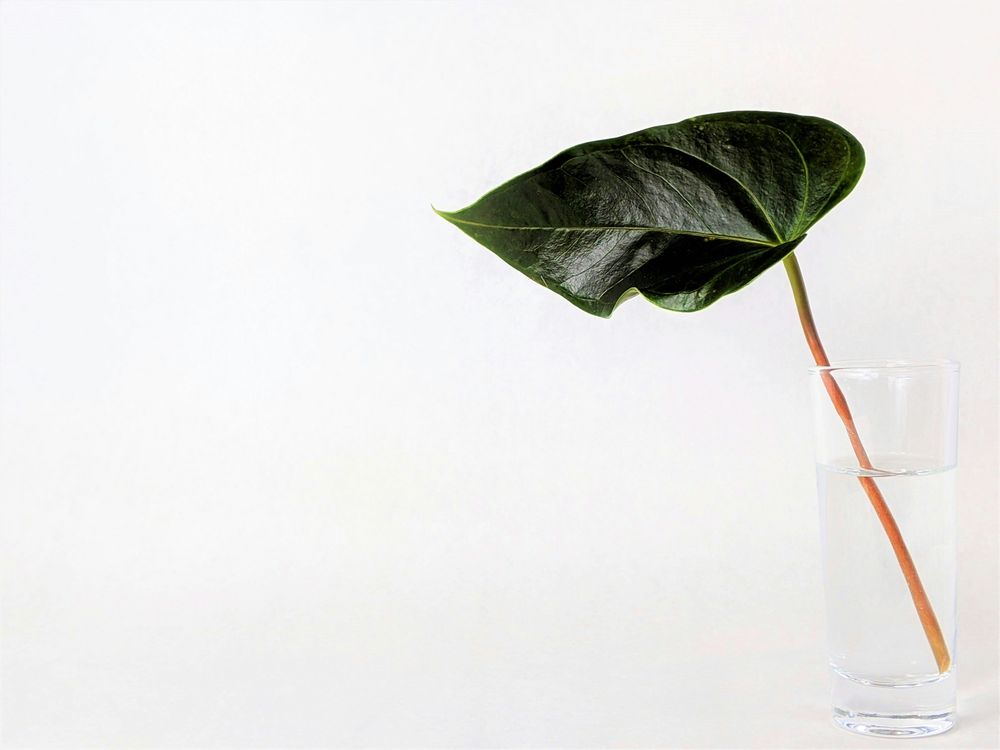
On Empty Places
There’s a natural instinct to fill things in.
When we see empty space—on a page, in a layout, in a schedule—it can feel unfinished. Like something is missing. So we add. Another paragraph. Another component. Another obligation. Anything to make it feel complete.
But completeness is not the same as clarity.
Space Is Doing the Work
In design, space is often treated as leftover territory—the area that remains once everything important has been placed. In reality, it’s doing just as much work as the elements themselves.
Space:
- tells the eye where to rest
- separates ideas without explanation
- gives shape to what matters
Without it, everything competes.
White space isn’t empty.
It’s full of intention.
Restraint as a Creative Choice
The same principle applies outside of visual design.
In writing, space shows up as restraint. The decision to stop a paragraph early. The willingness to let a sentence stand on its own without explanation. Trusting that the reader can meet you halfway.
Sometimes what you leave out carries more weight than what you include.
Where Space Disappears
In work, space is often the first thing we sacrifice.
A calendar with no margin doesn’t create productivity—it creates reaction. Every hour accounted for leaves no room for ideas to arrive unannounced. No room to notice what’s not working. No room to think past the next task.
When everything is filled, nothing can settle.
The Confidence to Leave Things Open
Leaving space is not indecision. It’s confidence.
It’s the belief that what’s already there is enough. That the absence of something can be intentional. That clarity doesn’t come from accumulation, but from subtraction.
The hardest part is that space doesn’t announce itself. It doesn’t perform. It doesn’t prove its value loudly.
You only notice it when it’s gone—
when everything feels slightly harder to read,
slightly harder to focus on,
slightly harder to begin.
A Question Worth Sitting With
So when something feels crowded—visually, mentally, creatively—it’s worth asking a simple question:
What would happen if I left this open?
Not forever.
Just long enough to see what the space itself has to say.